
What Are Vascular and Vein Treatments?
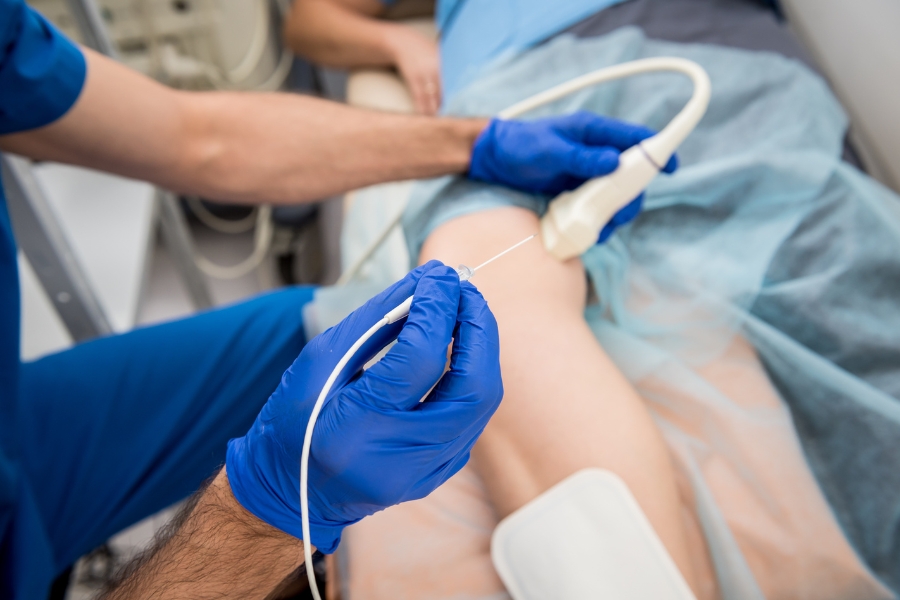 Vascular treatments are procedures used to diagnose and manage conditions affecting veins and arteries. Many are performed through small access points using ultrasound or other imaging for guidance.
Vascular conditions fall into two broad groups.
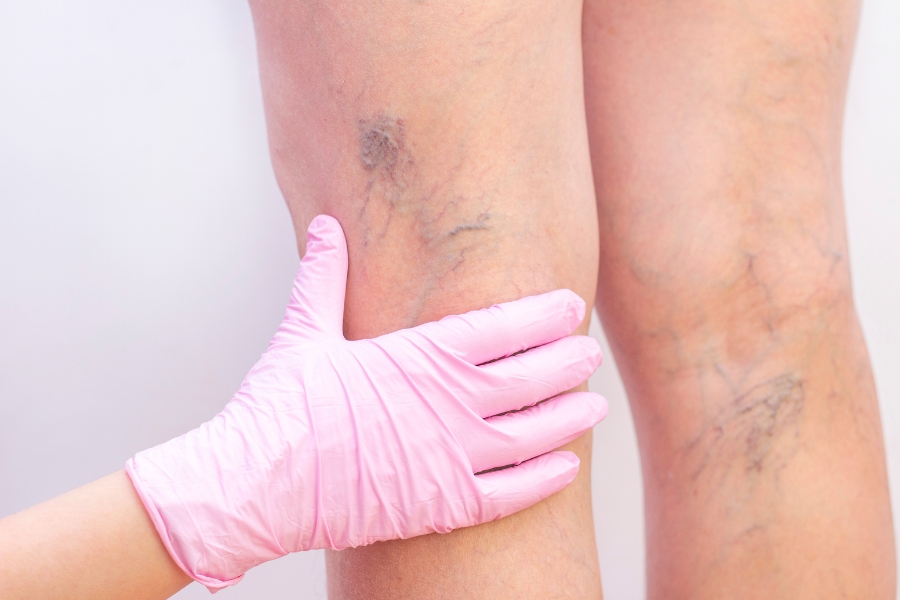
Vein conditions affect the vessels that carry blood back toward the heart. Small valves inside the leg veins are supposed to keep blood moving upward. When those valves stop closing properly, blood can pool in the leg, contributing to swelling, heaviness, aching, skin changes, and enlarged veins near the surface.
Artery conditions affect the vessels that carry blood away from the heart. Peripheral artery disease, or PAD, and carotid artery disease develop when a fatty deposit called plaque builds up inside an artery wall and narrows the channel blood flows through.
Treatment options across both groups include vein closure procedures, injection treatments such as sclerotherapy, balloon widening of a narrowed artery, and placement of a stent. The choice depends on which vessels are affected and how severe the problem is.
To see what is offered locally, you can review the treatment options at The Vein Center of North Florida.
How Does Thermal Ablation Treat Varicose Veins?
Endovenous thermal ablation closes a faulty leg vein from the inside using heat. Blood that had been pooling in that vein reroutes through nearby healthy veins.
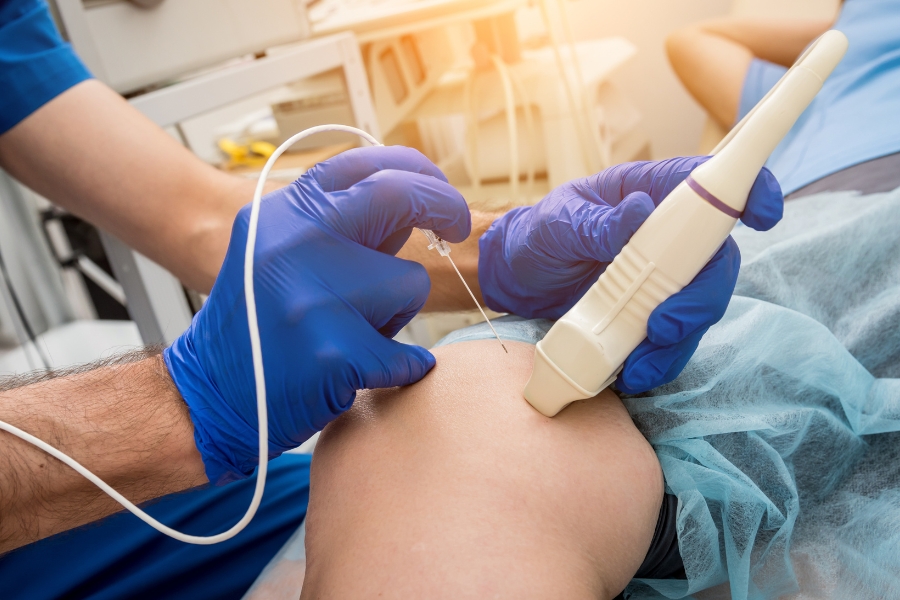
A specialist uses ultrasound to guide a thin catheter into the affected vein through a small skin opening. The specialist then applies heat along the vein, causing the vein wall to seal shut. Two forms are common: radiofrequency ablation, or RFA, which uses radio wave energy, and endovenous laser ablation, or EVLA, which uses laser energy.
Before applying heat, the provider places a diluted numbing solution in the tissue around the vein. According to the National Library of Medicine reference on radiofrequency ablation, that solution does three things at once: it numbs the area, and it presses the vein wall against the catheter. As a result, the heat contacts the vein evenly and shields nearby nerves and tissue from the heat.
The same reference notes that ablation is an image-guided procedure that can be done in an outpatient setting under local numbing rather than general anesthesia. Recovery time and activity guidance vary by person.
Ablation is well established in treatment guidelines. The 2022 clinical practice guidelines from the Society for Vascular Surgery, the American Venous Forum, and the American Vein and Lymphatic Society address ultrasound evaluation and compare vein closure methods against older open surgery.
What Is TCAR and How Is It Used for Carotid Artery Disease?
 TCAR, or transcarotid artery revascularization, is a procedure used in selected cases of carotid artery disease. The carotid arteries run up either side of the neck and carry blood to the brain.
Carotid artery disease means plaque has narrowed one of those arteries. The concern is not just reduced blood flow. If a piece of plaque breaks loose and travels upward, it can block a vessel in the brain and cause a stroke.
TCAR is built around that specific risk. The Society for Vascular Surgery overview of TCAR describes the sequence: the surgeon works through a small opening at the base of the neck near the collarbone, places a tube directly into the carotid artery, and connects it to a system that temporarily sends blood flow away from the brain rather than toward it. The blood passes through a filter outside the body before returning through a second tube. With that protection in place, a stent is placed to hold the narrowed section open. Flow is then returned to its normal direction, and the tubes are removed.
The U.S. Food and Drug Administration listing for the ENROUTE Transcarotid Stent System describes the same temporary flow reversal and notes that the approved use was expanded beyond people at high risk from open surgery to include people at typical surgical risk.
TCAR is one option among several. A 2022 review published through the National Institutes of Health library records that the device first received FDA approval in 2015 on the condition that procedures be entered into a national registry, and that much of the evidence to date comes from that registry rather than from randomized trials. Whether TCAR, open surgery to remove the plaque, medication management, or another approach is considered depends on how narrow the artery is, whether symptoms have occurred, the shape of the person’s blood vessels, and overall health.
Veins and Arteries: How Specialists Tell the Difference
The first question in any vascular evaluation is whether the symptoms come from a vein, an artery, or something else entirely. Duplex ultrasound is a common starting point because it shows both a vessel’s structure and the direction and speed of blood flow. Additional imaging may follow depending on what is found.
Vein conditions | Artery conditions | |
Direction of flow | Back toward the heart | Away from the heart |
Common conditions | Varicose veins, chronic venous insufficiency | Peripheral artery disease, carotid artery disease |
Typical symptoms | Leg swelling, heaviness, aching, skin changes, bulging veins | Leg discomfort when walking, wounds that heal slowly, or symptoms involving speech, vision, or one-sided weakness |
Treatment approaches | Heat-based vein closure, sclerotherapy, vein removal | Balloon widening, stents, open surgery, TCAR |
Symptoms in the legs can overlap with arthritis, nerve problems, heart conditions, and other causes, which is why testing comes before any treatment decision.
Frequently Asked Questions
 Is thermal vein ablation painful?
A numbing solution is placed around the vein before heat is applied, so the procedure itself is generally done under local anesthesia. Experiences differ, and soreness, bruising, or tenderness afterward is common for a period of time.
What is the difference between RFA and laser ablation?
Both close the vein with heat delivered through a catheter. RFA uses radio wave energy, and laser ablation uses laser energy. Guideline groups treat them as comparable heat-based options, and the choice often comes down to the vein being treated and the equipment a practice uses.
Is TCAR the same as carotid endarterectomy?
No. Carotid endarterectomy is open surgery in which the artery is opened, and the plaque is removed. TCAR leaves the plaque in place and covers it with a stent, working through a small opening near the collarbone while briefly reversing blood flow. These procedures differ and suit different situations.
Can varicose veins come back after ablation?
The treated vein is closed, but underlying vein disease can continue. A closed vein can sometimes reopen, and new problem veins can appear elsewhere over time. Continuous assessment helps identify changes if symptoms return.
Does insurance cover vein and vascular treatments?
Coverage depends on the plan, the diagnosis, documented symptoms, and the specific procedure. Medicare and private plans cover certain vascular treatments when their criteria are met. Confirm benefits and any out-of-pocket costs directly with the insurance carrier.
Key Takeaways
Endovenous thermal ablation closes a faulty leg vein using radio wave or laser energy delivered through a catheter, guided by ultrasound.
TCAR treats a narrowed carotid artery by placing a stent while temporarily reversing blood flow at the site to direct loose plaque away from the brain.
The FDA first approved the TCAR system in 2015 and expanded its approved use in 2022 to include people at typical surgical risk.
Duplex ultrasound is a common first test because it shows both a vessel’s shape and how blood moves through it.
Neither procedure suits everyone. Testing, symptoms, anatomy, and overall health all factor into what a specialist considers.