Thrombosis

Deep Vein Thrombosis Care

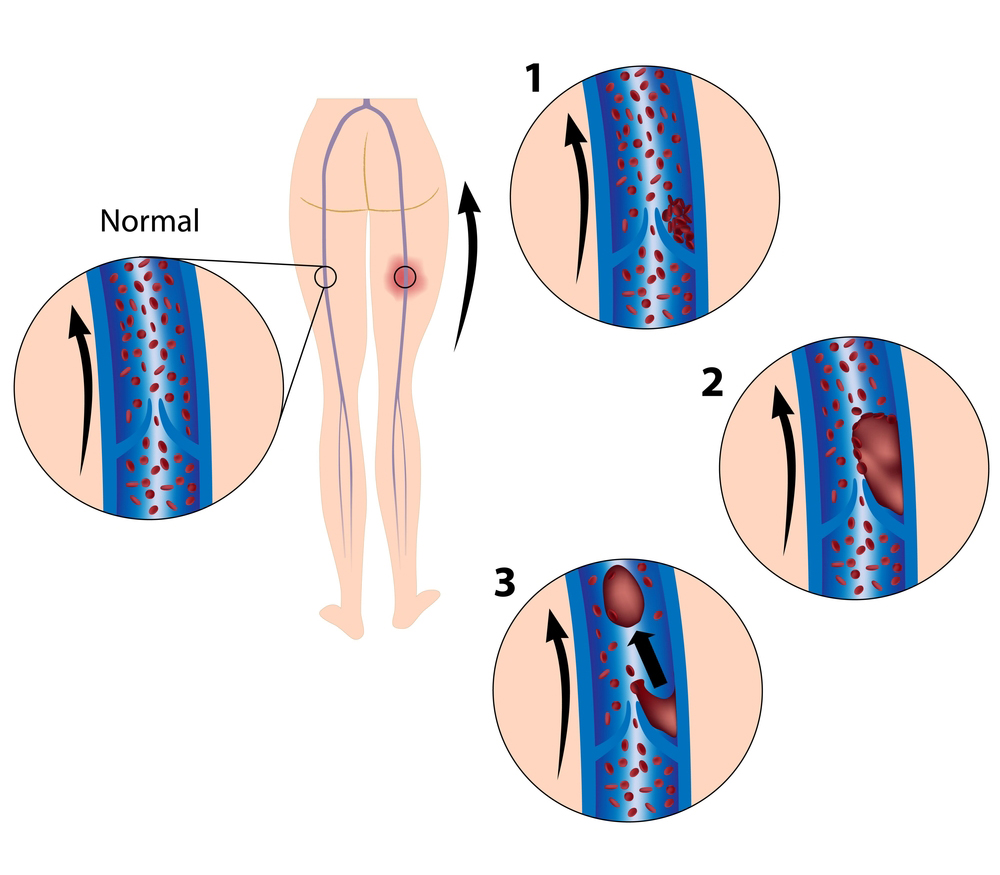
Thrombosis, commonly known as deep vein thrombosis (DVT), is a serious medical condition in which a blood clot forms within a vein located deep inside the body, most often in the legs. These clots can partially or completely block normal blood flow, leading to pain and swelling, and may cause serious complications if left untreated.

Common DVT symptoms include swelling of the foot, ankle, or leg, cramping that begins in the calf, areas of skin that feel warm to the touch, and skin discoloration. Because DVT can develop silently, many individuals experience few or no noticeable symptoms.

DVT often occurs as a result of another condition or contributing factor, such as vein injury, prolonged inactivity, recent surgery, or certain medications that increase clotting risk. In some cases, a blood clot can travel to the lungs, causing a pulmonary embolism, a life-threatening complication that requires emergency medical attention. You can learn more about the risks and symptoms of DVT from the Centers for Disease Control and Prevention (CDC).

At The Vein Center of North Florida, we provide minimally invasive DVT treatment designed to restore healthy circulation and prevent further complications. In many cases, this includes placing a small filter inside a vein to trap clot fragments and prevent them from reaching vital organs such as the lungs or heart. Each treatment plan is personalized to your health history and risk profile.

If you experience a sudden onset of DVT symptoms, seek emergency care immediately. For ongoing management, risk assessment, or preventive treatment, schedule a consultation with our experienced vein specialists. Early diagnosis and intervention are key to protecting your health and preventing serious complications from deep vein thrombosis.

The Vein Center of North Florida

Frequently Asked Questions

Deep vein thrombosis (DVT) occurs when a blood clot forms in a deep vein, most often in the leg. The clot can block normal blood flow, causing pain, swelling, warmth, or skin discoloration. In some cases, DVT may not cause noticeable symptoms but can still be serious.

Typical symptoms include swelling in the foot, ankle, or leg; cramping or pain that often starts in the calf; warmth in the affected area; and skin redness or discoloration. 57% of patients do not experience any symptoms, which is why a timely medical evaluation is essential if DVT is suspected.

Deep vein thrombosis can result from several factors, including immobility after surgery or long travel, vein injury, certain medications, and medical conditions that increase blood clotting. Risk is also higher in those with a history of clots, recent trauma, or prolonged inactivity.

A blood clot in the deep veins can break loose and travel through the bloodstream to the lungs, causing a pulmonary embolism. This blockage in the lung’s blood vessels can be life-threatening and requires immediate medical attention.

 Treatment is typically minimally invasive. A small filter may be inserted into a vein to catch clot fragments and prevent them from traveling to the lungs. The specific treatment plan is tailored to each patient’s condition and medical history. Learn more about our advanced vein treatment options.

If you experience sudden leg swelling, pain, or warmth, or symptoms such as chest pain, shortness of breath, or rapid heartbeat, you should seek emergency medical help right away. These may be signs of a pulmonary embolism.

Deep vein thrombosis prevention focuses on maintaining blood flow and reducing clotting risks. Regular movement, compression stockings, staying hydrated, and managing risk factors such as smoking or obesity can help. Following post-surgical care instructions and maintaining an active lifestyle are also key steps in prevention.

Schedule a Consultation

We'll Call you to Setup an appointment

Contact Us

Call Us Now

352-237-1820